
About ClearPath Safeguarding
Practical safeguarding reviews for schools, NGOs, churches, and faith-based programmes across Asia.
Why ClearPath Safeguarding Exists
Children cannot advocate for their own protection. The adults and organisations around them carry that responsibility — and ClearPath Safeguarding exists to make sure they are ready to fulfil it.
International schools preparing for CIS, COBIS, or WASC accreditation — and the NGOs and faith-based organisations that donor bodies hold to account — know that safeguarding cannot be paperwork alone. Far fewer can demonstrate that their policies are understood, implemented, and lived out by staff day to day. Gaps between policy and practice are where children get harmed and where organisations lose trust, funding, and accreditation standing.
Our mission is to equip schools, NGOs, and churches across Asia to build child protection systems that actually work — not just on paper, but when it matters most. That means providing honest, independent reviews of how safeguarding actually functions inside your organisation — governance, reporting pathways, staff awareness, recruitment, and implementation — and giving leadership clear, practical next steps. For schools in accreditation cycles, our findings map directly to CIS, COBIS, and WASC child-protection standards.
We work with excellence and reliability, and we tell organisations what they need to hear, not just what they want to hear. Everything we are told is handled with full confidentiality and respect.
Our vision is a region where every child-serving organisation has the knowledge, systems, and culture to protect children well — and the courage to respond when a concern is raised.
ClearPath Safeguarding provides an independent, structured review of how safeguarding actually works inside your organization — governance, reporting pathways, staff awareness, recruitment, and implementation — and gives leadership clear, practical next steps. For schools in accreditation cycles, our findings map directly to CIS, COBIS, and WASC child-protection standards.
Our Approach
We come as a trusted partner, not an inspector. Our reviews are constructive, not adversarial — practical and evidence-based, focused on whether safeguarding is actually understood and implemented day to day, not only whether it exists on paper. Findings are clear enough that leadership can act within 90 days.
We focus on what is practical for your size, context, and culture. A small church programme in rural Thailand needs different support to a multi-site NGO with complex governance — and we adapt accordingly. Our experience spans Southeast Asia, faith-based networks, international schools, and INGOs, including direct involvement in child-protection casework and cross-border investigations.
All client information is handled under a signed Non-Disclosure Agreement. Interview responses are anonymised in reporting. Draft findings are shared with leadership before finalisation. Reports are marked confidential and intended for leadership, board, and those directly responsible for safeguarding improvement. The NDA includes a standard safeguarding override: nothing in our confidentiality arrangements prevents either party from reporting a current or imminent risk of harm to a child to appropriate authorities.
About the Founder
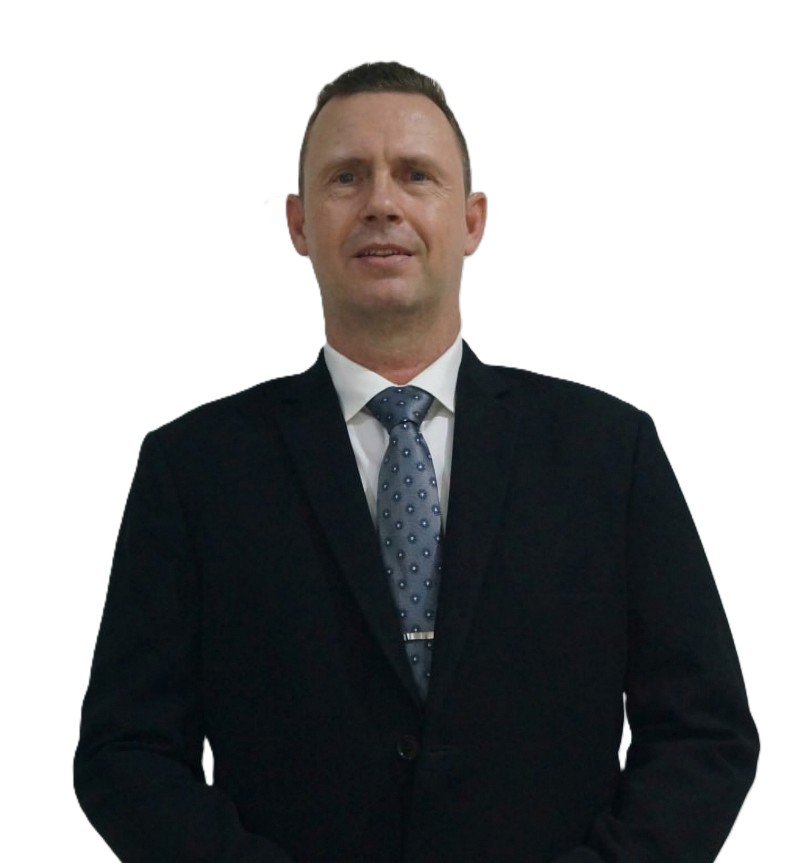
Mattias Björkqvist
Mattias Björkqvist is the Founder of ClearPath Safeguarding, where he works with clients to review, strengthen, and implement child protection policies, safeguarding systems, and practical response procedures. In this role, he supports schools, NGOs, and faith-based organizations in moving beyond written policies toward safeguarding systems that function effectively in everyday practice.
Mattias also serves as the Executive Director of For Freedom International Foundation, a Thailand-based organization working to prevent human trafficking and exploitation, support victims and survivors, and strengthen collaboration between civil society and law enforcement. Since taking on leadership of the foundation, Mattias has helped guide its strategic development across prevention, intervention, restoration, and long-term survivor support.
In his leadership role, Mattias provides organizational direction, strategic oversight, program development, partnership engagement, and governance support. His responsibilities include coordination with government agencies, law enforcement, prosecutors, social welfare authorities, NGOs, churches, donors, and international partners. He also works closely with internal teams to strengthen case support systems, survivor care, digital intelligence work, vocational training, prevention education, and organizational safeguarding.
Mattias’ field of work focuses on anti-human trafficking, child protection, victim identification, online exploitation, survivor support, multi-disciplinary collaboration, safeguarding implementation, and capacity building. Through For Freedom International Foundation, he has been involved in initiatives that support vulnerable children, women, and survivors of exploitation, while also helping equip communities, professionals, and authorities to identify risks, respond appropriately, and protect those most at risk.
His leadership is shaped by a commitment to practical implementation, ethical collaboration, survivor-centered care, and Christ-centered service. He brings together operational experience, cross-cultural leadership, safeguarding practice, and field-based knowledge from working in Thailand and Southeast Asia.
After many years of working in the field and being exposed to numerous cases where children have suffered because child protection policies were either not implemented or not followed in daily practice, Mattias recognized the need to help organizations build stronger, more practical safeguarding systems. Through ClearPath Safeguarding, he seeks to empower schools, NGOs, and faith-based organizations with systems that are not only compliant on paper, but workable, understood, and applied in real-life situations. His approach is grounded not only in policy review, but also in hands-on field experience with vulnerable children, survivors, frontline teams, and multi-disciplinary protection systems.
Skills and Training
Mattias has developed a broad skill set through leadership experience, frontline field work, and specialized training related to anti-trafficking, child protection, trauma care, digital intelligence, forensic support, and law enforcement collaboration.
Key skills and areas of experience include:
- Organizational leadership and strategic development
- Anti-human trafficking program management
- Victim support and survivor-centered care
- Child protection and safeguarding systems
- Safeguarding policy review and implementation
- Multi-disciplinary team coordination
- Collaboration with law enforcement, prosecutors, and social welfare authorities
- Online exploitation prevention and digital safety
- Victim identification and case support
- Digital intelligence and operational coordination
- Donor relations, partnership development, and international communication
- Training, policy development, and capacity building
- Cross-cultural leadership in Thailand and Southeast Asia
- Nonprofit governance and program oversight
Relevant courses, certificates, and specialized training include:
- Courses in child and adolescent trauma counseling
- Training in deep listening techniques
- Training in protection of the rights of women and children in labour migration
- Training in countering child sexual exploitation by AFP and JCLEC
- Certificate from INTERPOL for attending INHOPE content assessment training
- Certification by International Justice Mission (IJM) in OSINT training for crime analysts
- Training on lessons learned from prosecution of transnational crime, with specific focus on human trafficking, by DSI
- Spektor training certificate in forensic intelligence training by Evidence Talks
- Course in sexual assault case processing training for law enforcement
- MobilEdit digital forensic training course
- ECIS Level 2 Certificate in Child Protection – Governors and Owners
Through this combination of leadership responsibility, field experience, and specialized training, Mattias continues to support For Freedom International Foundation’s mission to bring protection, freedom, justice, and restoration to vulnerable individuals and survivors of exploitation, while also strengthening practical safeguarding systems through ClearPath Safeguarding.
Standards and Frameworks
Reviews draw on an integrated set of globally recognised standards, adapted to Asia contexts. These include:
- Keeping Children Safe (KCS) International Safeguarding Standards
- UN Convention on the Rights of the Child (UNCRC) and Optional Protocols
- International Task Force on Child Protection (ITFCP) guidance for international schools
- Council of International Schools (CIS) Child Protection Standards
- National Principles for Child Safe Organisations (Australia)
- IICSA (UK) institutional learning on safeguarding failures
- Core Humanitarian Standard and PSEA commitments (for NGOs)
- ECPAT International guidance on sexual exploitation of children
- WHO INSPIRE framework for ending violence against children
- Thirtyone:eight safeguarding principles (for faith-based contexts)

